Please join us April 23rd , 2026 at 4:00 p.m. online zoom for an ICYCW meeting.
Please register below for the meeting:
https://us02web.zoom.us/meeting/register/7bZh2UgyQjiLGJClKXfz8g
Surrey Schools Support Workers
Please join us April 23rd , 2026 at 4:00 p.m. online zoom for an ICYCW meeting.
Please register below for the meeting:
https://us02web.zoom.us/meeting/register/7bZh2UgyQjiLGJClKXfz8g
World Autism Awareness Day 2026 will be observed on Thursday, April 2, 2026, to raise global awareness, promote acceptance, and foster support for individuals with autism. The day focuses on addressing stigmas, supporting rights, and celebrating the unique perspectives of autistic individuals.
The Union Office will be closed all day today, Friday March 27, 2026
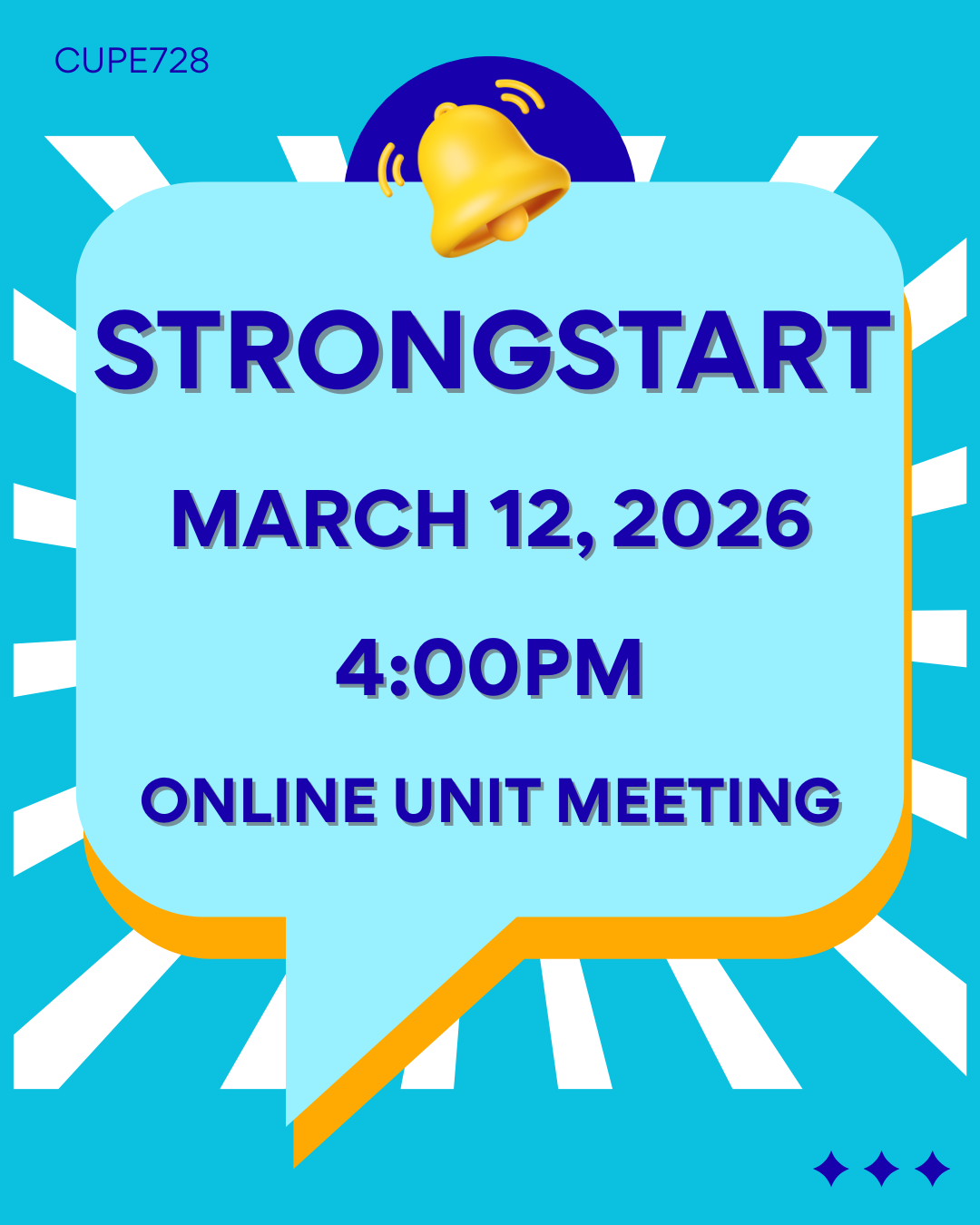
Calling all StrongStart Facilitators….there will be an important Unit Meeting starting at 4pm. This meeting will be on-line. Please make sure you register prior to the start of the meeting:
https://us02web.zoom.us/meeting/register/L8N_yJ1zRe2DdOVrzO6IcA
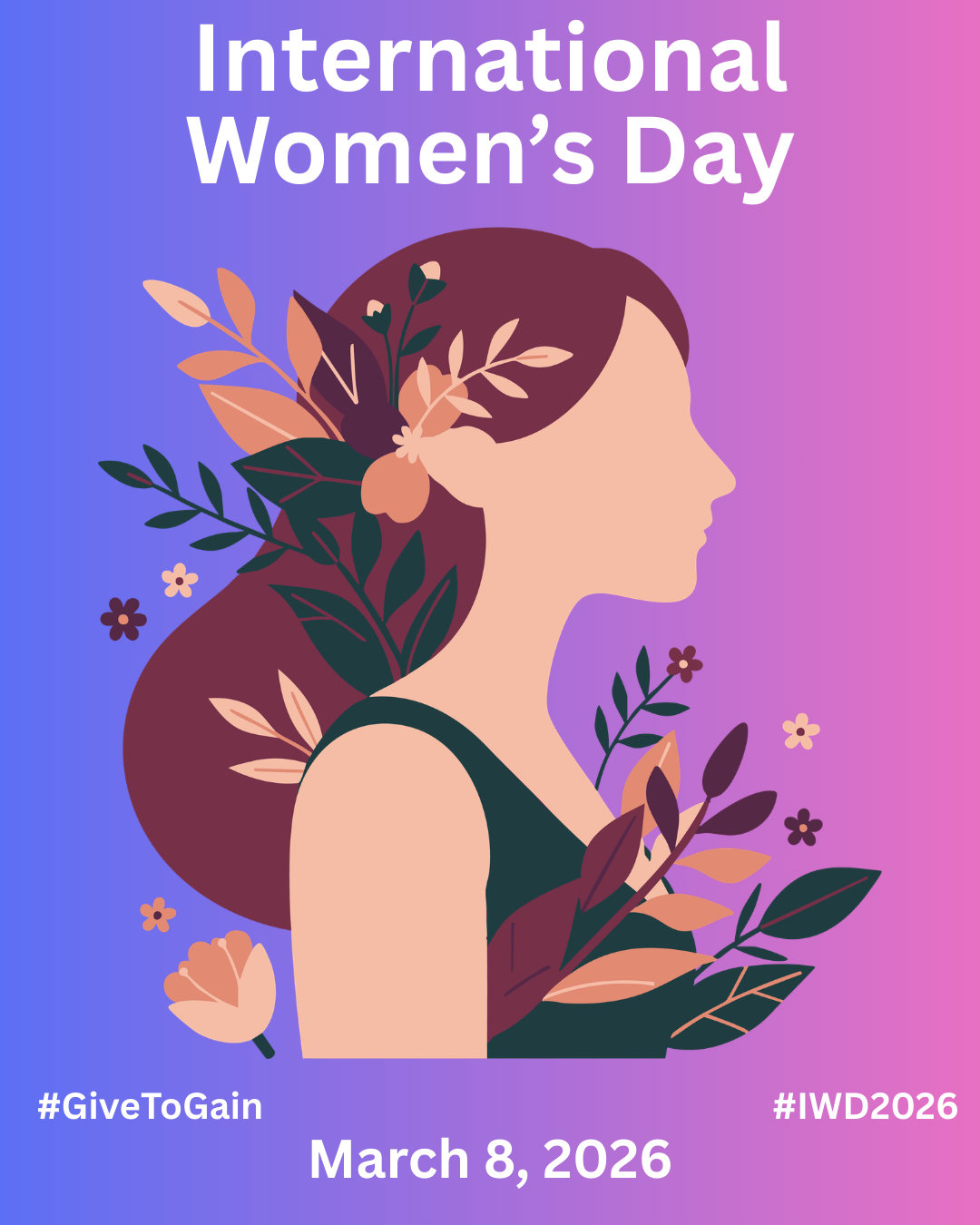
Today and every day, CUPE celebrates women’s union activism.
CUPE women have always been at the forefront of the fight for gender justice. At the bargaining table, through political action, and on the picket lines, women are powerful leaders in our union. CUPE feminists have used collective power to fight for stronger public services, fair wages, employment equity, and better working conditions.
Yet, women are still far more likely to be subjected to violence and harassment at work, especially if they are also young, persons with disabilities, Black, Indigenous, or gender-diverse or migrant workers. CUPE is working to end gender-based violence in all its forms – at work, at home, and in our union.
As we fight for gender justice, we recognize that all struggles for human rights are interconnected. Solidarity is a powerful tool, and we unite with women across the globe demanding peace and a fairer world.
To achieve justice for all women, we must dismantle all forms of oppression that women face including racism, transphobia, ableism, homophobia, and colonialism.
This International Women’s Day, CUPE urges members to:
Take action:
Check out:
Spread the word:
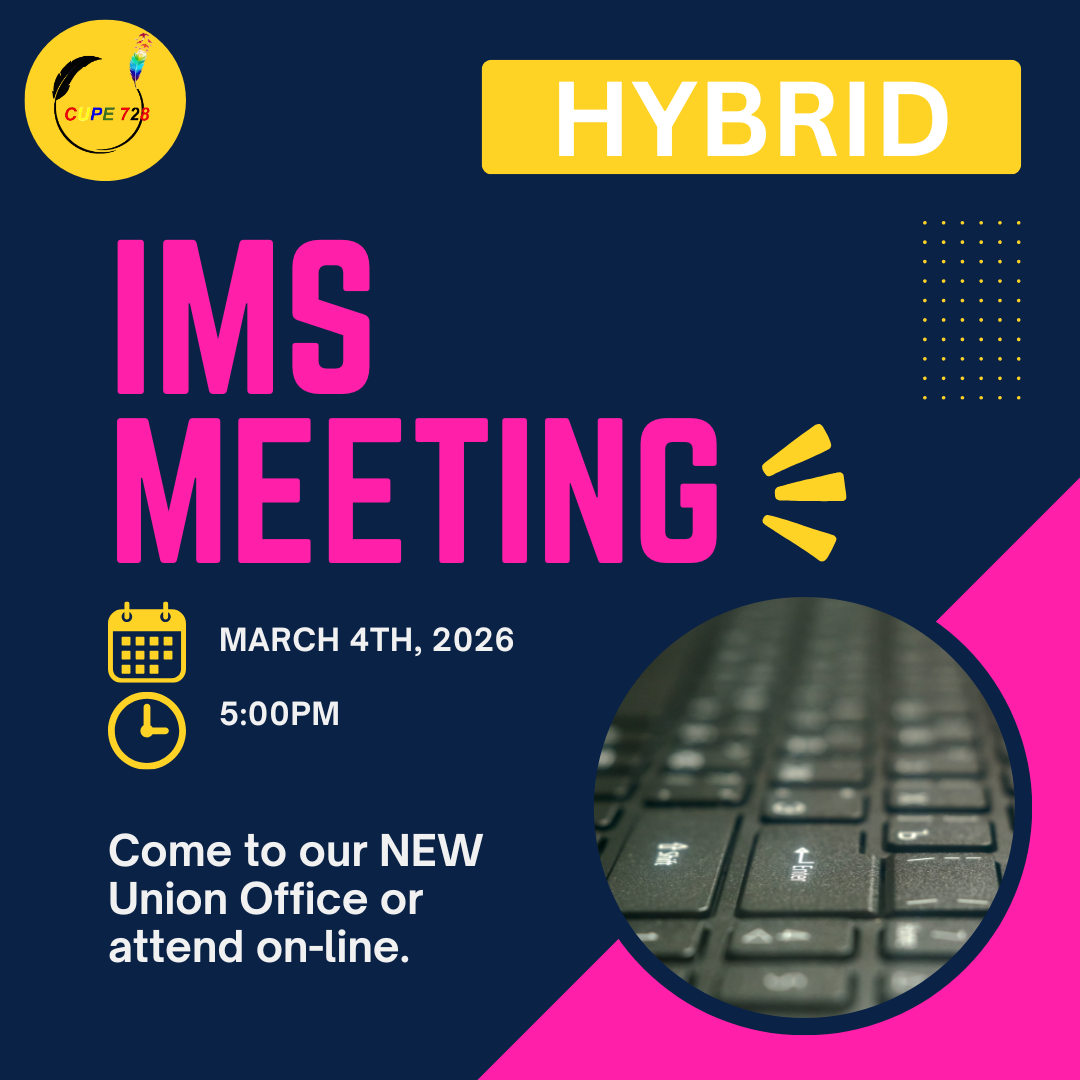
To register for the IMS Unit Meeting click the link below
https://us02web.zoom.us/j/83348440208?pwd=qZJYJbZst66xkqaKjRNS1tSJCD1QTo.1
To register for the IMS Unit meeting click on the link below
https://us02web.zoom.us/j/83348440208?pwd=qZJYJbZst66xkqaKjRNS1tSJCD1QTo.1
Check back soon for the Zoom Link
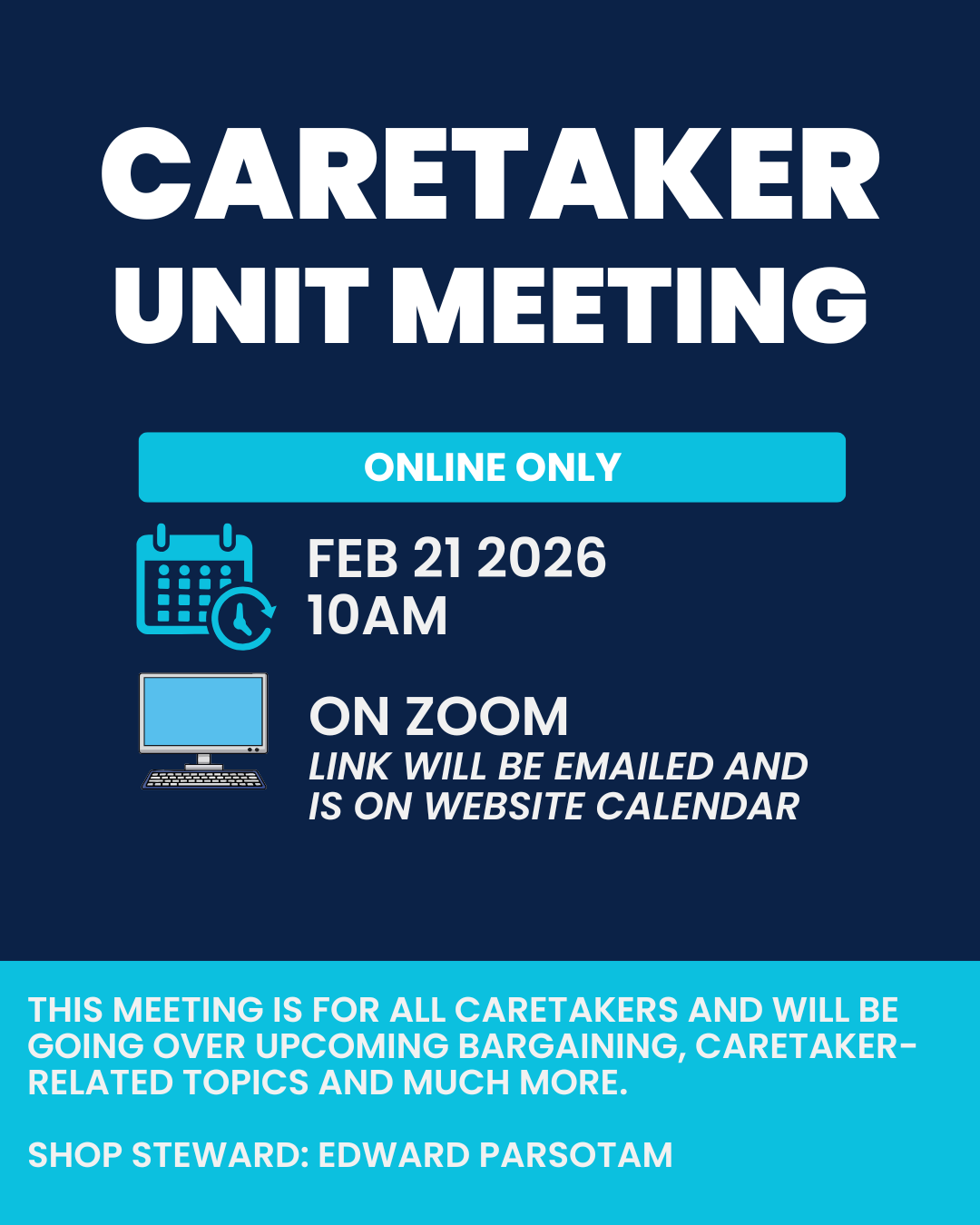
Calling all IESWs for a Unit Meeting with your Shop Stewards. Some topics that may be discussed are bargaining, health and safety, important job information, upcoming dates that will affect IESWs and more, If you have topics you would like considered, please email your shop stewards:
Click here for Shop Steward contact info
(posted Feb 13, 2026)